shade

- Home
- Products
- Application
Airport Fence icon
Airport Fence
School Fence iconSchool Fence
Sports Fence iconSports Fence
Residential Fence iconResidential Fence
Park & Garden Fence iconPark & Garden Fence
Industrial Fence iconIndustrial Fence
Partition Fence iconPartition Fence
Power Fence iconPower Fence
Oil & Gas Field Fence iconOil & Gas Field Fence
Railway Fence iconRailway Fence
Military Fence iconMilitary Fence
Prison Fence iconPrison Fence
Agricultural Fence iconAgricultural Fence
Construction Fence iconConstruction Fence
Crowd Barrier iconCrowd Barrier
- Service
- About Us
- Contact Us













- Home
- About Us
- Products
- Application
- Service
- Order Information
- Installation & Maintenance
- FAQs
- Catalog
- Video
- Drawings
- News
- Best Farm Fence Materials for Long-Term Use: How to Choose the Right Option
- What Determines Chain Link Fence Price? 10 Cost Factors Buyers Should Understand
- Welded Wire Fence Panels vs. Rolls: Which Is Better for Your Project?
- How to Choose the Right Security Fence for Critical Facilities: A Risk-Based Design Guide
- Farm Fence Design Guide for Modern Agriculture: Layout, Materials and Practical Planning
- Welded Wire Fence vs. Chain Link Fence: Which Is Better for Your Project?
- galvanized or PVC coated - choosing wire fencing for farms
- Farm Fence Types for Livestock: How to Choose the Right Fence
- Galvanized vs PVC Coated Chain Link Fence: Which Is Better?
- Farm Fence Types: Which Fence Is Best for Livestock?
- Chain Link Fence vs Welded Wire Fence: Which One Is Better?
- How to Choose the Right Welded Wire Fence?
- How to Choose the Right Chain Link Fence for Your Project?
- Farm Fence Supplier for Livestock and Agricultural Projects
- 358 Security Fence Manufacturer for High Security Projects
- Why Do Farms Use Wire Mesh Fence Instead of Solid Walls?
- What Makes Chain Link Fence Cost-Effective for Large Projects?
- Cost Comparison of Welded Wire Mesh Suppliers
- How to Choose Cattle Fence Wire Gauge
- Chain Link Fence for Airport Security Projects
- Fence Panel Manufacturing Process Explained
- Steel Fence Panels for Perimeter Protection: Complete Guide for Security Projects
- Airport Security Fence System Design Guide
- Fence Panel Supplier for South America Projects: Reliable Solutions for Large-Scale Applications
- Anti-Climb Fencing Solutions for Industrial Sites
- Best Wire Mesh for Farm Fencing / Livestock Enclosure
- Comparing Chain Link, Welded Mesh, and 358 Fencing for High Security
- Chain Link Fence Accessories: Posts, Caps, and Tension Wires Explained
- Custom Chain Link Fence Sizes and Panels for Large Projects
- Height and Mesh Size Recommendations for Airport Perimeter Fencing
- How to Check Weld Quality Before Purchasing Welded Wire Mesh
- Standard Chain Link Fence Height and Mesh Size for Security Applications
- How to Ensure Wire Mesh Compliance with EU Regulations
- Best Fence Wire Mesh for European Residential Projects
- Best Wire Mesh for Security and Protection in South America
- How to Customize Wire Mesh Products for Local Markets
- How to Prevent Rust on Welded Wire Mesh
- What Is the Best Fence Mesh for Security in the Middle East?
- How to Supply Cost-Effective Wire Mesh Fence to South American Markets
- What Is the Lifespan of Galvanized Wire Mesh vs Stainless Steel Wire Mesh?
- How to Compare Wire Mesh Fence Prices from Different Suppliers?
- How Fence Buyers in South America Can Ensure Long-Term Product Supply
- Key Factors Affecting the Demand for Wire Mesh Products in the Middle East
- How South American Distributors Can Efficiently Source Metal Fencing Products from China
- Wrought Iron Fencing – Elegant and Durable Boundary Solutions
- Razor Barbed Wire Fencing – Maximum Security and Long-Term Protection
- Wire Mesh Fencing – Strong, Versatile Solutions for Security and Industrial Applications
- Temporary Crowd Control Barriers - An Efficient and Flexible Temporary Isolation Solution
- Prison Fence - The Highest-Level Security System
- Anti-climb Fences - The Professional Choice for Safety and Protection
- Reliable Fencing for Diverse Needs - Chain Link Fence
- Airport Anti-Climb Fence – Maximum Security for Critical Infrastructure
- Anti-Climb Security Fence | High-Performance Perimeter Protection
- Bended Welded Wire Mesh Panels | Custom Structural Solutions
- Chain Link Fence Systems: Flexible Security Barrier with Wide-Scale Use
- Airport Fence: High-Security Perimeter Fencing for Sensitive Zones
- Airport Fence: High-Security Fencing with V-Shaped Anti-Climb Design
- Crowd Control Barrier – Essential for Safe Public Event and Traffic Management
- Welded Mesh Fence: Modern Security Fence for Industrial and Urban Projects
- Triangle Bending Fence: Stylish and Strong Fencing for Modern
- Airport Fence – Reliable Perimeter Protection for Aviation Facilities
- Chain Link Fence – The Ideal Choice for Durable and Cost-Effective Fencing Solutions
- Double Wire Fence – Enhanced Security with Robust Design
- Curved/BRC Fence – A Decorative Yet Strong Option for Urban Security Projects
- Steel Fencing for Southeast Asia: Strong, Stylish, and Cost-Effective from a Trusted Chinese Manufac
- 358 Security Fence – High-Security Perimeter Protection
- Anti-climbing metal fence - the best choice for safety and protection
- Choosing the Right Farm Fence: Protecting Livestock, Crops, and Property
- Secure Your Home with High-Quality Residential Fencing
- Galvanized Wire: The Durable and Versatile Solution for Various Applications
- Iron fence: exquisite interpretation of customized art and security protection
- Iron fence: perfect integration of craftsmanship and safety protection
- Choosing the right type of airport fence
- What factors affect the price of garden fences?
- Wrought iron fence craft
- 358 Fence: A Guide to Selecting a High-Security Fence System
- Maintenance and development trend of welded mesh fence
- Airport metal fence, a fence system used for security protection around the airport.
- Double Wire Fence: A Simple and Practical Fence Choice
- Rugged, durable and versatile BRC fence: the perfect choice for safety and practicality
- 358 anti-climb fence: a solid barrier for modern security
- Hexagonal mesh: Eco-friendly, protecting the beauty of nature
- Steel Fence: Durable and Secure Fencing Solutio
- Security guards for commercial places - Fence solutions
- Farm fences made of metal play an important role in agricultural production.
- Protection and Durability: Versatile Applications of Galvanized Wire
- Welded Mesh Fence: A Strong and Durable Security Choice
- Metal Fences: The Perfect Choice for Protection and Security
- Fence experts help you choose the right design and specifications for your steel picket fence panel
- Enhancing Privacy and Aesthetics: The Role of Garden Fences
- Industrial Fencing: Enhancing Security and Efficiency in Industrial Environments
- Welded wire mesh - a sturdy and durable safety net
- Chain link fence – the guardian of your home
- Elegant and sophisticated metal garden security fence to protect your private oasis
- Garden metal fence
- High quality fencing system, brc fence
- The double wire fence, 656 wire fence or 868 wire fence
- 358 Security Fence introduction of safety fence
- 358 High Security Fence provides maximum safety and protection.
- A type of security fence designed specifically for use in parks and gardens
- sports fence, sports field fence
- Pros Share: How We Choose the Best Cyclone Fence Materials
- Looking at the future development trend of Cyclone Fence from a professional perspective
- welded mesh fence for Sports Facilities: Balancing Safety and Spectator Experience
- Australia temporary fence: What You Need to Know
- Minimizing Environmental Impact: Sustainable Materials for Canada temporary fence
- A Essential for Professionals: A Troubleshooting Guide for Cyclone Fence
- Enhancing Security in Gated Communities: The Benefits of welded mesh fence
- welded mesh fence: A Stylish and Secure Option for Residential Developments
- Australia temporary fence vs. Chain Link Fences: Comparing Design and Functionality
- Canada temporary fence Rental for Canadian Music Festivals and Cultural Events
- Cyclone Fence aesthetics and functional design from a professional perspective
- Australia temporary fence: The Benefits of Using It
- Cyclone Fence: A Comprehensive Guide from Design to Installation
- Enhancing Security in Gated Communities: The Benefits of welded mesh fence
- Enhancing Safety and Security: The Role of Canada temporary fence in Event Management
- Canada temporary fence Solutions for Outdoor Retail Events and Trade Shows
- Australia temporary fence: A Versatile Option for Your Home
- In-depth analysis of Cyclone Fence materials and structure
- Enhancing Security in Public Parks: The Role of welded mesh fence
- Designing welded mesh fence Systems for Pedestrian Safety in Urban Areas
- Enhancing Security in Transportation Infrastructure: The Role of welded mesh fence
- welded mesh fence: A Cost-Effective Solution for Industrial Facilities
- Professional analysis of the structure and building process of Cyclone Fence
- Australia temporary fence: Easy and Quick to Remove
- Canada temporary fence Solutions fo Parks and Recreation Areas
- Exploring the Fire Safety Features of Canada temporary fence in Temporary Structures
- Comparing Australia temporary fence with Permanent Fences
- Choose and design a Cyclone Fence to suit your environment
- welded mesh fence: Enhancing Security in High-Traffic Areas
- Professional Guidance: Best Practices for Cyclone Fence
- Wire Fence Innovations: Advancements in 656 and 868 wire fence Technology
- Designing Prison Mesh Fencing for Optimal Surveillance and Monitoring
- The Importance of Geotextile Filters in Woven Gabion Baskets Applications
- Intrusion Detection Systems for Fence for airport: Technologies and Integration
- 358 security fence: Case Studies of Successful Implementations
- Comparing Installation and Maintenance of 656 and 868 Wire Fence Systems
- Prison Mesh Fencing: Minimizing False Alarms and Enhancing Response Times
- Woven Gabion Baskets for Earthquake-Resistant Construction: Lessons from Seismic Events
- Emergency Planning for Fence for airport: Evacuation and Contingency Measures
- The Evolution of 358 security fence: From Traditional to High-Tech Solutions
- 656 Wire Fence: A Versatile Option for Residential Gardens and Landscaping
- Prison Mesh Fencing: Addressing Challenges in Urban Environments
- Construction Considerations for Woven Gabion Baskets Retaining Walls on Soft Soils
- Fence for airport Perimeter Design for Unmanned Aerial Vehicle (UAV) Security
- 358 security fence: A Comprehensive Guide to Installation and Maintenance
- Understanding the Corrosion Resistance of 868 Wire Fence for Outdoor Applications
- Addressing the Challenges of Prison Mesh Fencing in Harsh Weather Conditions
- Hydraulic Performance of Woven Gabion Baskets in River Training Works
- Fence for airport Corrosion Protection: Coatings and Maintenance Strategies
- 358 security fence: Strategies for Addressing Vulnerabilities and Weak Points
- 656 wire fence: A Reliable Barrier for Wildlife Conservation Areas
- The Psychology of Deterrence: Understanding the Visual Impact of Prison Mesh Fencing
- Understanding the Structural Performance of Woven Gabion Baskets
- Fence for airport Systems: An Overview of Types and Features
- 358 security fence: Case Studies of Successful Implementations
- 656 Wire Fence: An Effective Solution for Temporary Storage Yards
- Prison Mesh Fencing: Addressing Challenges in Urban Environments
- Innovations in Manufacturing Woven Gabion Baskets: Improved Efficiency and Quality
- Fence for airport Testing and Certification: Ensuring Compliance with Industry Standards
- Incorporating Green Design Principles in 358 security fence
- The Legal and Ethical Considerations of 358 security fence
- Fence for airport: Key Factors in Perimeter Protection
- Evaluating the Hydraulic Conductivity of Woven Gabion Baskets Systems
- Prison Mesh Fencing: Effectiveness in Preventing Escape Attempts
- Enhancing Privacy and Safety with 868 Wire Fence
- The Role of Landscape Architecture in Integrating 358 security fence
- Fence for airport Maintenance: Strategies for Ensuring Long-Term Security
- Environmental Benefits of Woven Gabion Baskets in Restoration Projects
- The Role of Technology Integration in Modern Prison Mesh Fencing
- Enhancing Security in Gated Communities: The Role of 656 Wire Fence
- Exploring the Strength and Durability of 868 Wire Fence for Perimeter Protection
- Exploring the Different Types of Prison Mesh Fencing
- Hydraulic and Environmental Benefits of Woven Gabion Baskets Systems
- Ensuring Compliance and Effectiveness: Fence for airport Height Regulations and Standards
- The Impact of 358 security fence on Facility Design and Layout
- Comparative Analysis of 656 /868 wire fence: Strength, Rigidity, and Intrusion Prevention
- Innovations in Prison Mesh Fencing: Advancements in Security Technology
- The Role of Woven Gabion Baskets in Stormwater Management and Detention Systems
- Fence for airport Incident Management: Protocols for Intrusion and Breach Response
- 358 security fence: Mitigating the Risks of External Threats
- Enhancing Security in Transportation Infrastructure: The Role of 656 /868 wire fence
- Prison Mesh Fencing: Considering Privacy Concerns and Inmate Rights
- Woven Gabion Baskets in Mining and Quarrying Operations: Geotechnical Applications
- Fence for airport Material Selection: Balancing Strength and Durability
- 358 security fence: Mitigating the Risks of External Threats
- Design 656 /868 wire fence: A Homeowner’s Guide
- How to improve the reliability and safety of Prison Mesh Fencing?
- Things to note when designing Woven Gabion Baskets
- Construction safety and environmental protection measures for Fence for airport
- 358 security fence materials and manufacturing processes
- 656 /868 wire fence strength and durability assessment
- Application of Prison Mesh Fencing design
- The role of Woven Gabion Baskets in water resources management
- Safety evaluation and risk assessment of Fence for airport
- Woven Gabion Baskets Weaving: Making Tutorial
- Fence for airport material and structural requirements
- Fence for airport exterior design and landscaping
- Making Woven Gabion Baskets for decorative purposes
- What is a Prison Mesh Fencing?
- 656 /868 wire fence Purchasing Guide
- Measuring Woven Gabion Baskets
- Maintenance and maintenance methods of Fence for airport
- Materials and tools for Woven Gabion Baskets
- How to evaluate and improve the performance of Prison Mesh Fencing
- of 656 /868 wire fence on Property Value
- Quality control and safety assurance of Fence for airport
- Fence for airport construction period and progress control
- Application of Woven Gabion Baskets in civil engineering
- Security and Privacy with 656 /868 wire fence
- Future Development and Innovation of Prison Mesh Fencing
- Woven Gabion Baskets Fabrication: A Guide
- Future development trend and new technology application of Fence for airport
- Using Woven Gabion Baskets for Landscape Design
- Prison Mesh Fencing Cost and Budget
- Economics of using 656 /868 wire fence
- Installing 656 /868 wire fence: A Step-by-Step Guide
- Cases and successful cases of Prison Mesh Fencing
- Understanding the Different Types of Woven Gabion Baskets
- Construction technology and quality control of Fence for airport
- Cost and Budget Control of Fence for airport
- Fence selection guide: understand the characteristics of 656 /868 wire fence
- The importance of Prison Mesh Fencing is anti-climbing function
- Slope Stabilization Techniques: Utilizing Woven Gabion Baskets
- Types and characteristics of fence for airport systems
- Innovation of Woven Gabion Baskets Manufacturing Technology
- Understanding the Difference: 656 Wire Fence vs. 868 Wire Fence
- The Role of Prison Mesh Fencing in Modern Correctional Facilities
- Designing Effective Woven Gabion Baskets Retaining Walls
- Long-Term Security: Maintenance Strategies for fence for airport
- Meeting Industry Standards: Testing and Certification of fence for airport
- Unique Design Wrought Iron Fence: Dream Garden Gate
- Steel Picket Fence: not just a fence-but also a garden decoration
- Revolutionizing abutments: the power of Welded Gabion
- Welded Gabion sound insulation walls: aesthetic and functional sound insulation
- Chain link fence - - NIGERIA
- Steel Picket Fence safety performance evaluation report
- Maintaining Order in Public Places: The Benefits of crowd control pane
- The Science of crowd control pane: Understanding the Impact of Control Panels
- Welded Gabion: Aesthetic and Functional Boundary Solutions
- Deer fence - - Malaysia
- Wrought Iron Fence VS Steel Picket Fence: Which Is Right For You
- Welded Gabion: A Robust Solution for Soil Protection and Bank Stabilization
- Legal framework for the use of crowd control pane: rights, regulations and responsibilities
- Application and Performance Evaluation of Welded Gabion in Water and Soil Conservation Engineering
- Cattle Panel Fence - - Canada
- Wrought Iron Fence laboratory testing and certification standards
- Safety protection measures for Steel Picket Fence
- Durability and Corrosion Resistance of Welded Gabion Materials: Testing and Evaluation
- Welded gabion specifications: to ensure the safety of engineering projects
- Welded wire mesh fence - - Maldives
- See defense techniques for wrought iron fences
- Wind resistance performance test results of Steel Picket Fence
- crowd control pane Olympics: Battle for Order Gold
- stunning illusions that transform objects into Welded Gabion
- Welded wire mesh fence - - Lesotho
- Material characteristics and selection of Wrought Iron Fence
- The relationship between the color selection of Steel Picket Fence and architectural style
- Evaluating the Effectiveness of Welded Gabion: Indicators and Performance Analysis
- crowd control pane Design: Optimizing for Functionality
- crowd control pane: Ethical Considerations and Privacy Protections
- The relationship between Wrought Iron Fence and environmental protection
- Steel Picket Fence safety performance testing and certification
- Welded Gabion and Ecological Restoration: Creating Stable Habitats Through Environmental Engineering
- crowd control pane Experiment: Going Through Obstacle Courses
- Fire performance of Welded Gabion materials: ensuring safety in high-risk areas
- How to spray the Wrought Iron Fence
- How to Install a Gate on a Steel Picket Fence
- Welded Gabion standard: to ensure the quality of engineering projects
- crowd control pane Technologies: The Role of Physical Barriers and Signage
- crowd control pane and Public Protests: Balancing Security and Free Speech
- Check Out These Interesting Wrought Iron Fence Looks
- Steel Picket Fence construction procedures and specifications
- Anti-corrosion measures for Welded Gabion mesh: ensure service life
- Music Festival crowd control pane: Ensuring a Safe, Enjoyable Experience
- Welded Gabion Specifications: Ensuring Project Safety
- Installation skills of Wrought Iron Fence
- Create your own private garden with a Steel Picket Fence
- Application and Performance Research of Welded Gabion in Embankment Engineering
- crowd control pane in stadiums: Ensuring a smooth flow of spectators
- Assessing the Effectiveness of Crowd Control Pane Systems: Indicators and Measurement Techniques
- How to install the Wrought Iron Fence correctly
- How to choose the Steel Picket Fence material that suits you
- Understanding the Mechanics of Welded Gabion Stability
- crowd control pane Techniques: Dispersion, Containment and De-escalation Strategies
- Understanding the Mechanics of Welded Gabion Structural Design
- Anti-corrosion treatment technology and method of Wrought Iron Fence
- Dimension measurement and calculation method of Steel Picket Fence
- Bearing Capacity and Seismic Analysis of Welded Gabion Mesh
- crowd control pane Systems: Integrating Technology for Efficiency
- The Evolution of crowd control pane: From Megaphones to Laser Beams
- Wrought Iron Fence Material Strength Test Results
- Strange Applications for Steel Picket Fence: Incredible Ideas
- Application of Welded Gabion in Environmental Restoration: River Bank Restoration and Land Stabiliza
- The Role of a Crowd Control Panel Operator: Training and Responsibilities
- Welded Gabion Monitoring and Alarm System: Real-Time Detection and Response
- Iron master - Wrought Iron Fence
- Steel Picket Fence Care and Maintenance Guide
- Environmental Impact Assessment and Sustainability Considerations for Welded Gabion
- crowd control pane: An Overview of Tools and Techniques
- Evaluating the Effectiveness of crowd control pane: Indicators and Measurement Techniques
- Details to pay attention to when installing Wrought Iron Fence
- Check Out These Interesting Steel Picket Fence Designs
- Anatomy of Welded Gabion Mesh: Component Technology
- Crowd control pane Technology: Innovations to Enhance Crowd Management
- Anatomy of a Welded Gabion: Connection and Assembly Techniques
- Environmental Index Evaluation of Wrought Iron Fence
- Steel Picket Fence service life test results
- Gabion Wars: Welded Gabion vs Woven Gabion
- Risk Assessment and crowd control pane Deployment: Mitigating Potential Hazards
- Airport crowd control pane: Ensuring Smooth and Safe Passenger Flow
- Safety Performance Evaluation of Wrought Iron Fence
- Steel Picket Fence: Not just Protection, but Decoration
- Welded Gabion for Coastal Defense: Effective Measures to Protect Against Erosion
- Water Permeability and Hydraulic Performance of Welded Gabion Structures
- The Science behind crowd control pane: Understanding Crowd Behavior
- How to choose the Wrought Iron Fence accessories that suit you
- Steel Picket Fence:How safe is Steel Picket Fence
- Evaluating the Effectiveness of Welded Gabion: Metrics and Performance Analysis
- crowd control pane: A Comprehensive Guide to Managing Large Gatherings
- crowd control pane in Emergency Situations: Coordinating Response Efforts
- The Importance of Wrought Iron Fence Color to the Exterior of Your Home
- The relationship between price and quality of Steel Picket Fence
- Impact Resistance of Welded Gabion Structures: Testing and Certification Standards
- crowd control pane Case Studies: Real-Life Success Stories in Event Management
- The Role of Welded Gabion in Erosion Control: Effective Measures for Soil Stabilization
- technical analysis of Wrought Iron Fence anticorrosion treatment
- design principle and process of Steel Picket Fence
- Welded Gabion: The Key to Building Strong and Durable Retaining Walls
- Ensuring Public Safety with crowd control pane: Best Practices and Guidelines
- crowd control pane Rentals: A Cost-Effective Solution for Temporary Events
- Wrought Iron Fence: The ideal fencing solution for high security applications
- Steel Picket Fence vs. Other High Security Fencing Materials: Why Steel Picket Fence Is The Best Cho
- Welded Gabion: Best choice for retaining walls in high traffic areas
- crowd control pane: Keep Events Organized and Safe
- Evaluating crowd control pane Manufacturers: Choosing the Best Supplier for Your Event
- Steel Picket Fence: The Perfect Combination of Style and Security for Residential Fencing
- The Benefits of Using Wrought Iron Fence for Privacy and Aesthetics
- Welded Gabion Baskets: The Secret to Natural Garden Retaining Walls
- crowd control pane Deployment Strategies: Ensuring Smooth Event Flow
- crowd control pane Maintenance: Ensuring Longevity and Performance
- Guidelines for Construction of Welded Gabion
- The role of crowd control pane in event safety: a critical analysis
- Welded vs Braided Gabions: Which Is Better
- Steel Picket Fence: The Ultimate Fence for Infrastructure
- Advantages of Wrought Iron Fence in Border Security
- crowd control pane Material: Balanced Durability and Aesthetics
- Welded Gabion - Environmentally Friendly Flood Control Solution
- Welded Gabion - Versatile Choice for Outdoor Decoration
- Steel Picket Fence & Compliance: Meets Industry Standards
- Benefits of Using Wrought Iron Fence for Residential, Commercial and Industrial Fencing
- Customizing Your Wrought Iron Fence: AddingCoating Options
- Customer Testimonials: Real-Life Stories of Steel Picket Fence Success
- Welded Gabion: A Sustainable Solution for Coastal Protection
- The Psychology of crowd control pane: How Panels Influence Crowd Behavior
- crowd control pane Innovations: The Future of Event Crowd Management
- The Advantages of Using 358 security fence for High-Security Applications
- Welded Gabion Baskets: The Perfect Material for Sustainable Architecture
- The Importance of crowd control panel in Large Gatherings
- Cattle fence Tensioning Systems: Ensuring Proper Fence Integrity
- Customer spotlight: How wrought iron fencing improves security at government facilities
- The Science Behind Woven Gabion Baskets Strength and Durability
- Welded Gabion: The Key to Building Long-Lasting Retaining Walls
- Customizing Your Double Wire Fencing: Adding Height Options
- The Benefits of Temporary Fence for Construction Sites
- DIY Farm Fencing: A Step-by-Step Guide for Hands-On Property Owners
- Welded Mesh Fence Panel vs. Chain Link Fence: Which Offers the Best Strength and Durability
- 358 Mesh Fence: Unyielding Protection - Customer Satisfaction and Performance Revealed
- Chain Link Mesh: Beyond Boundaries - Unlocking the Potential of Secure Installations
- Double Wire Fencing: The Ultimate Defense - Effectiveness and Long-Term Maintenance Explained
- 358 Mesh Fence in Transportation Design: Creating Safe and Secure Transit Stations
- Welded Mesh Fence Panel: Uniting Strength and Style - A Comprehensive Product Review
- 358 Mesh Fence: Fortifying Security to the Highest Level - Showcasing Effectiveness and Client Satis
- Double Wire Fencing: Double the Security, Double the Confidence - Features and Installation Guide
- Chain Link Mesh: Versatile and Reliable - Enhancing Security with Ease of Maintenance
- 358 Mesh Fence: Beyond Expectations - A Customer-Centric Approach to Quality and Performance
- Why 358 mesh fence Are a Top Choice for High-Security Applications
- Maximizing Style and Functionality with Chain link mesh Designs
- 3d wire mesh fence Design Ideas for Residential and Commercial Properties
- Understanding the Materials Used in double wire fencing
- Chain link mesh: Taming Wild Nature for Ecological Conservation
- Historic Landmarks and Chain link mesh
- Positive Feedback on Double Wire Mesh Fence Installation
- 3d wire mesh fence Maintenance: How To Keep Your Fence In Top Condition
- Guardians of the Green: Chain link mesh for Arboretums
- Explore Innovations in 358 mesh fence
- Rust Resistant 358 mesh fence - Keeps Its Original Look
- Rustless 3d wire mesh fence: The Secret to Beauty and Longevity
- Ways to keep the double wire fence beautiful - the advantages of anti-rust
- Prevent Rust on double wire fencing
- Cleaning and maintaining the Chain link mesh - keeping its luster
- double wire fencing: The Unbreakable Fortress of Fanciful Filigree
- Exploring the Dynamic Applications of 3d wire mesh fence in Public Spaces
- Comparing 358 mesh fence to Other Common Security Fencing Options
- Chain link mesh: More Than Meets the Eye
- The Zen of Gardening: Creating Serene Spaces with Chain link mesh
- 358 mesh fence for Schools and Public Buildings: Safety and Security
- 3d wire mesh fence for Parks and Public Spaces: Beauty and Safety in One
- The Versatility of Chain link mesh: Unlocking Its Creative Potential
- double wire fencing: Protecting Residential Properties With Modern Style
- Breaking Down Barriers: How Chain link mesh Are Changing the Urban Landscape
- Enhancing Security with 3d wire mesh fence: A Three-Dimensional Fortress
- Securing Industrial Sites with 358 mesh fence Systems
- Breaking the Stereotype: Chain link mesh as a Fashion Statement
- Choosing the Right Height and Gauge for Your double wire fencing
- Chasing Shadows: The Art of Photography through Chain link mesh
- Unleashing the Beast: Extreme Sports and Chain link mesh
- The Advantages of double wire fencing for Commercial and Industrial Properties
- Unraveling the Strength: The Surprising History of Chain link mesh
- Installation Tips for 3d wire mesh fence: A Step-by-Step Guide
- Understanding the Versatility of 358 mesh fence Accessories
- The Ultimate Guide to 3d wire mesh fence: Benefits, Applications, and Durability
- Exploring the Durability and Strength of double wire fencing
- The Durability and Longevity of Chain link mesh
- The Aesthetic Appeal of Chain link mesh: Creative Design Options for Your Property
- Examining the Maintenance Requirements of 358 mesh fence
- Double Wire Fencing vs. Traditional Fencing: A Comparative Analysis
- The Environmental Benefits of Chain Link Mesh as a Sustainable Fencing Option
- The Role of Chain Link Mesh in Animal Enclosures and Kennels
- Exploring the Advantages of 3D Wire Mesh Fence for Residential Boundaries
- Safeguarding Perimeter Areas: Benefits of 358 mesh fence
- Exploring Galvanized and Vinyl-Coated Chain Link Mesh Options
- Exploring the Advancements in 358 Mesh Fence Technology for Enhanced Perimeter Protection
- Enhancing Privacy and Aesthetics with 3D Wire Mesh Fence Systems
- Addressing Security Concerns with Double Wire Fencing in Industrial Areas
- Addressing Security Needs with Chain Link Mesh in Commercial Settings
- Case Study: 3D Wire Mesh Fence in Urban Landscaping Projects
- The Advantages of 358 mesh fence for High-Security Areas
- Incorporating Privacy Slats with Chain link mesh
- double wire fencing is the Perfect Choice for Your Property
- Why Chain link mesh is the Best Choice for High-Security Facilities
- Exploring the Strength and Security of 358 Mesh Fence
- 3D Wire Mesh Fence: Adding Dimension and Style to Perimeter Protection
- Exploring Different Weave Patterns in Chain Link Mesh
- Maintaining and Repairing Double Wire Fencing: Best Practices
- Choosing the Right Gauge and Height for Your Chain Link Mesh Fence
- Comparing 358 Mesh Fence to Other Types of Security Fencing
- 3d wire mesh fence: innovative design and excellent performance
- double wire fencing: A Strong and Durable Fencing Solution
- Chain link mesh vs Double Wire Fencing: A Comparison of Two Affordable Fencing Solutions
- Chain link mesh: An Affordable and Easy-to-Install Option
- 358 Mesh Fencing for Schools and Public Buildings: Ensuring Safety and Security with a Touch of Inno
- Embrace the Futuristic Vibes: How 3D Wire Mesh Fencing Transforms Your Property with Style and Funct
- Unlock the Secrets of Flawless 358 Mesh Fencing Installation: Master Tips and Techniques for a Proje
- Double the Fun: Mastering Double Wire Fencing Installation with Expert Tips and Techniques!
- Chain Link Mesh Fencing Installation Unleashed: Masterful Tips and Techniques for a Project That's O
- How does chain link mesh compare to other types of fencing in terms of durability?
- How does double wire fencing compare to other types of fencing in terms of cost?
- What are the maintenance requirements for High Security 358 Mesh Fence?
- Can 358 mesh fence be used for residential properties?
- What are the typical applications of 3D wire mesh fence?
- Installation Tips for Chain Link Mesh Fencing: A Step-by-Step Guide
- Transforming Spaces with 3D Wire Mesh Fence
- Installation Tips for Double Wire Fencing: A Step-by-Step Guide
- The Importance of Proper Installation Techniques for 358 Mesh Fence Performance Optimization
- Case Study: How 358 Mesh Fence Revolutionized Prison Security Systems
- Innovative Uses of 3D Wire Mesh Fence in Modern Architecture
- Understanding the Strength and Durability of BRC Mesh Fence for Industrial Security
- Australia Temporary Fence Regulations: Ensuring Safety and Compliance in Temporary Construction Site
- Unveiling the Superior Security Features of 358 Mesh Fence for High-Risk Facilities
- Advantages and Features of 358 Mesh Fence for Enhanced Security
- The Art of Versatility in 3D Wire Mesh Fence: Unlocking the Design Potential of 3D Wire Mesh Fence
- Australia Temporary Fence: Portable and Reliable Barrier for Public Safety
- BRC Mesh Fence: Exploring the Different Mesh Patterns in BRC Mesh Fence Design
- The Science Behind 358 Mesh Fence: A Detailed Analysis of Its Impenetrable Design
- Exploring the Applications of 358 Mesh Fence in Critical Infrastructure Protection
- 358 Mesh Fence: The Ultimate Choice for Enhanced Perimeter Protection
- 358 Mesh Fence: Unparalleled Security and Durability for Perimeter Protection
- BRC Mesh Fence: Reliable and Versatile Solution for Secure Enclosures
- 3D Wire Mesh Fence: Adding Dimension and Strength to Perimeter Security
- Australia Temporary Fence: Ensuring Safety and Flexibility in Temporary Environments
- 3D Wire Mesh Fence: Innovating Boundaries with the Versatility of 3D Wire Mesh Fence
- Australia Temporary Fence: Secure Your Site with the Reliability of Australia Temporary Fence
- BRC Mesh Fence: Combining Durability and Efficiency with BRC Mesh Fence
- 358 Mesh Fence: The Optimal Choice for High-Security Environments and Beyond
- 358 Mesh Fence: Unmatched Security and Strength for Perimeter Protection
- 3D Wire Mesh Fence: Add Depth and Style to Your Perimeter - Unleash the Potential of 3D Wire Mesh Fe
- Australia Temporary Fence: Versatile Solutions for Temporary Site Security - Explore Australia Tempo
- BRC Mesh Fence: Secure Your Property with Reliable and Versatile BRC Mesh Fence
- Double Wire Fencing: Enhance Security with Double the Strength - Discover Double Wire Fencing
- BRC Mesh Fence: The Ultimate Choice for High-Security Perimeters - Experience the Strength of BRC Me
- Australia Temporary Fence: Versatile Solutions for Temporary Site Security
- Double Wire Fencing: Double the Security, Double the Protection
- Discover the Dimensional Beauty of 3D Wire Mesh Fence for Modern Design
- Discover the Superior Quality of BRC Mesh Fence: Securing Your Property with Confidence
- BRC Mesh Fence: The Ultimate Choice for High-Security Perimeters
- 358 Mesh Fence vs. BRC Mesh Fence: Choosing the Right Security Solution for Your Needs
- Welded Mesh Fence Panels: A Practical Guide to Enhancing Security with Sturdy Fencing Solutions
- Unmatched Protection: The Trusted Choice of BRC Mesh Fence for Reliable Security Measures
- Securing with Strength: The Superiority of BRC Mesh Fence in Perimeter Protection
- Beyond Boundaries: Exploring the Versatility of BRC Mesh Fence in Various Applications
- Field Fence: Secure Your Property with Reliable and Durable Fencing Solutions
- BRC Mesh Fence: Elevate Security Standards with Premium Perimeter Protection
- BRC Mesh Fence: Uncompromising Strength and Style for Perimeter Protection
- Immerse Yourself in a 3D World of Security: Discover the Power of 3D Mesh Fence
- Versatile and Secure: Explore the Benefits of Welded Mesh Fence Panels
- Experience the Power of 3D Mesh Fence: Defending Your Space with Style and Strength
- 3D Wire Mesh Fences: Elevate Your Security Standards with Innovative Perimeter Defense
- Embrace the Future with 3D Wire Mesh Fence: Modern Design and Superior Security
- BRC Mesh Fence: Reinforce Your Boundaries with Trusted Perimeter Protection
- BRC Mesh Fence: Uncompromising Security and Durability for Your Property
- Protect Your Property and Safety: Choose BRC Mesh Fence!
- Metal Mesh Fencing: The Perfect Blend of Aesthetics and Practicality
- Welcome to Our Metal Fence Manufacturer!
- Metal Chain link fence has excellent durability, beauty, and safety
- High-Quality Chain link Fence Makes Your Public Place Safer and More Comfortable
- Factors to Consider When Choosing a Metal Fence System for Your Property
- This article will introduce the advantages of chain link fence from material characteristics, usage
- Showcasing Modern Aesthetics with Perfectly Crafted Welded Metal Fencing for Your Yard
- Benefits of Using Metal Crowd Control Barriers for Crowd Management:
- Garden fences are a popular and versatile type of fence
- One of the main advantages of crowd barricade fencing is its flexibility.
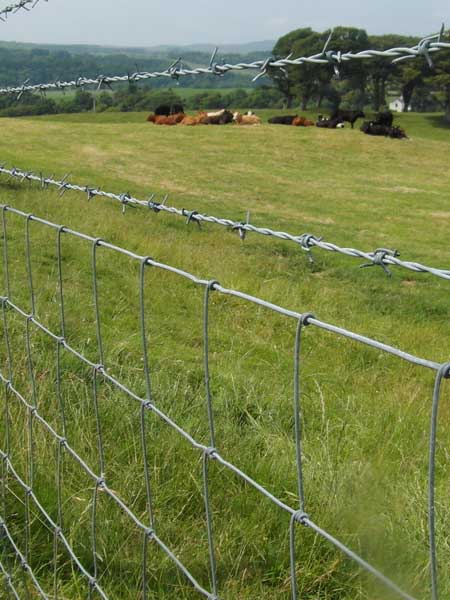
- This article will give you some tips on how to choose a fence for your farm.
- Wrought iron fence is a metal fence with a wide range of uses
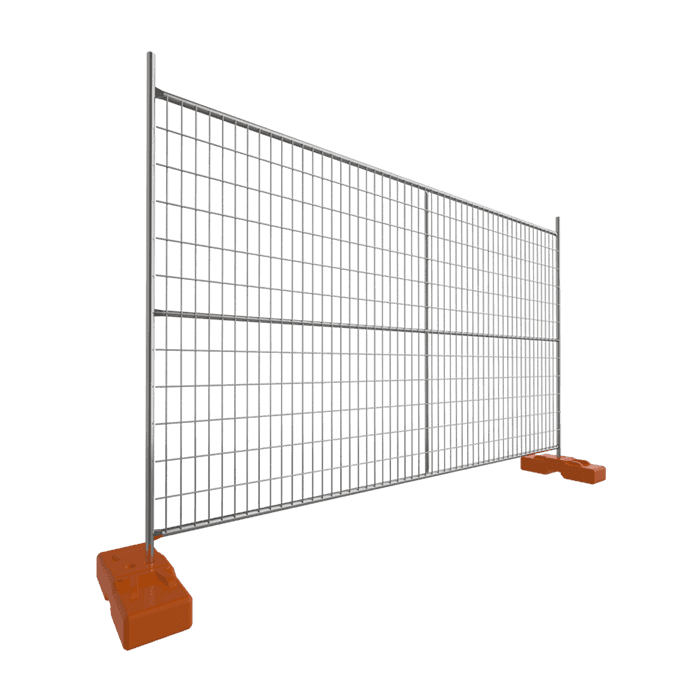
- Build a temporary fence for your home or business
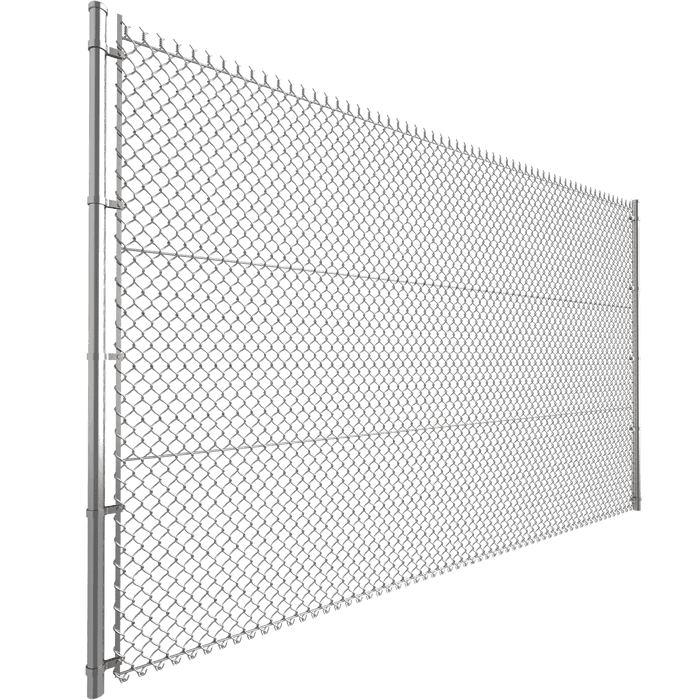
- High quality chain link fence, a durable and versatile fencing option
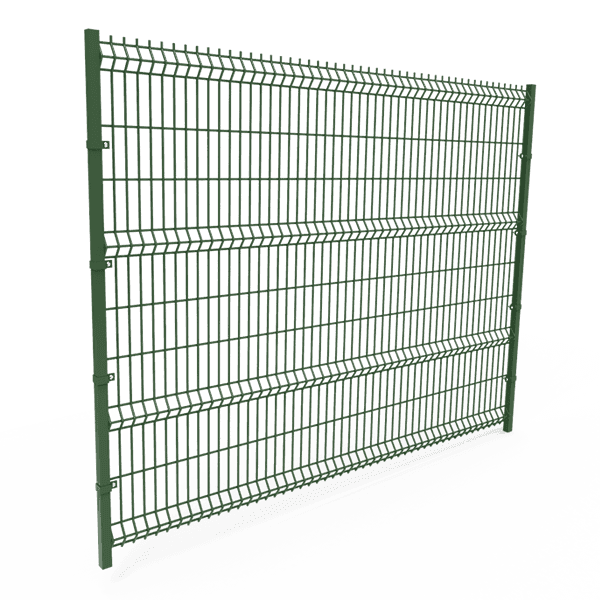
- Bending fence net is also called triangular bending fence net
- Straight razor wire is a new type of protective net
- How to distinguish the quality of wrought iron guardrail
- What are the universality of chain link fence
- Fence mesh with special production process
- Easy installation of farm fence
- Decorative Steel Fence to keep your home safe.
- Chain link fence installation
- Triangle wire mesh fence, wiremeshfence
- Palisade fence - wiresfence
- Doule wire fence - wiresfence
- Welding process requirements for electric welding steel mesh
- Contact Us
- Privacy Policy
- Terms & Conditions